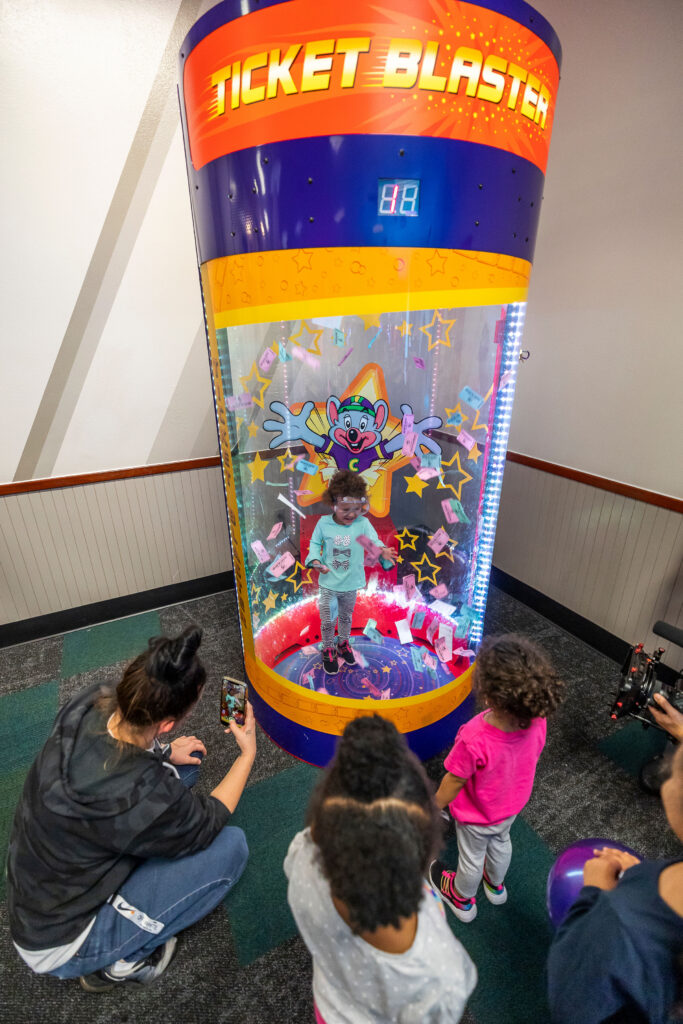
Young girl excitedly catching prize tickets inside the Ticket Blaster at Chuck E. Cheese.

What Parents Actually Value When Choosing a Birthday Party Venue

CEC research ranks the full consideration stack — what parents say matters when deciding where to hold a birthday party, in order of importance.

Ask a parent what matters. Then look at the data.

Ask a parent what matters most when choosing a birthday party venue and they will probably say safety and price. The data tells a more nuanced story. Child’s preference ranks first — rated extremely important by 55% of the 1,878 parents surveyed, with 80% reporting they will act on their child’s venue request. Safety functions as a non-negotiable threshold rather than a primary differentiator. And convenience — how close and how easy to book — matters more than most venues acknowledge. Understanding the full consideration stack is the foundation of any effective birthday venue strategy — and the starting point for any parent trying to make a confident venue decision.

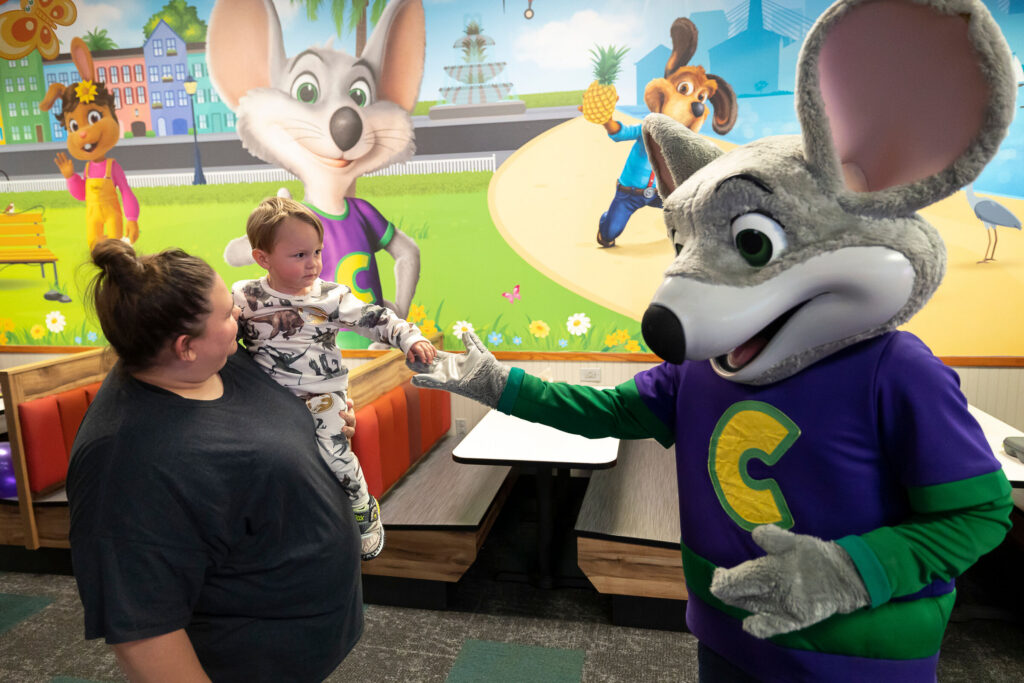
Toddler held by an adult reaching out to touch Chuck E. Cheese in a family entertainment center.

The consideration stack at a glance

  • Child preference — 55% extremely important, 80% act on it

  • Rate safety extremely important — highest single top-box in the study

  • Say birthday-child centrality is extremely or very important

  • U.S. parents surveyed

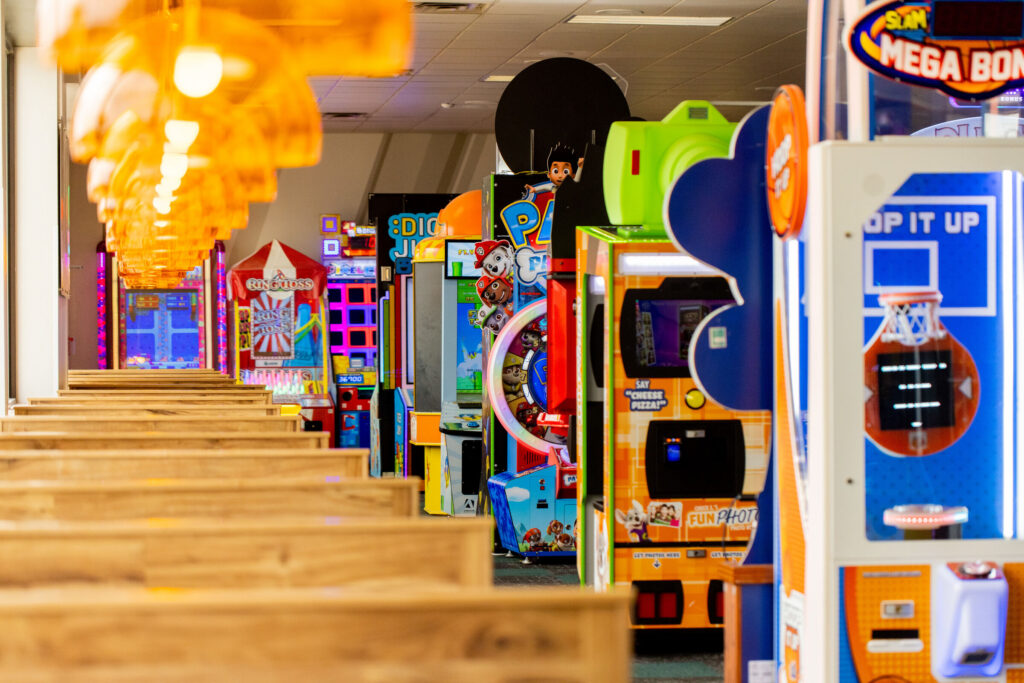
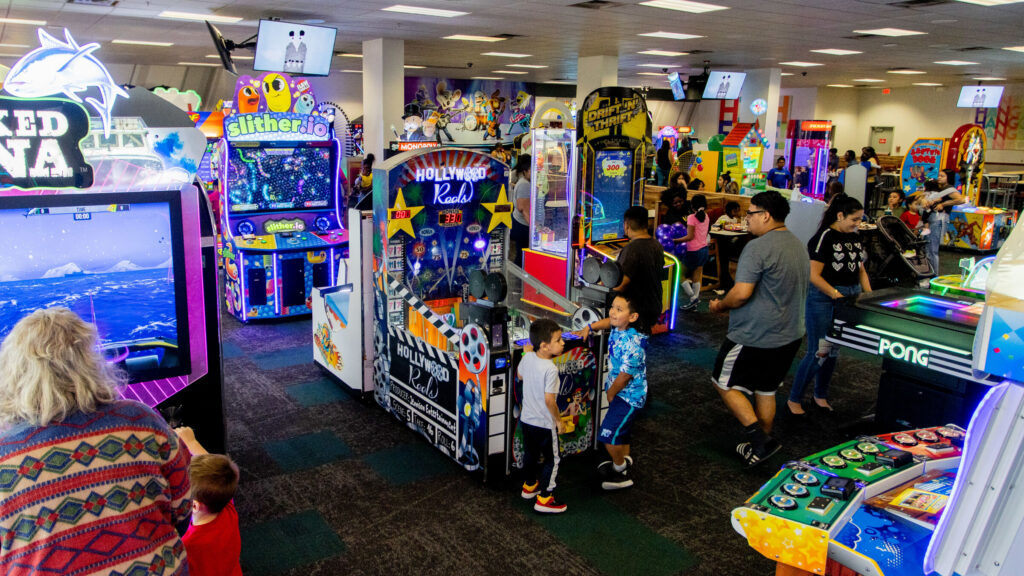
Rows of colorful arcade games and dining tables at Chuck E. Cheese, ready for family fun.

The full ranked consideration stack

The research ranks eight distinct drivers in order of stated importance. Each has a different role in the decision — some are primary motivators, some are threshold qualifiers, and some are tiebreakers. Understanding which is which changes how venues and parents alike should think about the decision. #1: Child’s preference — 55% extremely important; 80% of parents act on it. This is the primary demand generator. #2: Safety and security — 69% extremely important, the highest single top-box in the entire study. Functions as a threshold: a venue that fails it is eliminated; a venue that exceeds it doesn’t gain significant additional advantage. #3: Experience quality — rated extremely important by a strong majority. The primary driver of repeat booking and word-of-mouth. #4: Activities range — breadth of what kids can do. Peaks in importance at ages 6–7 as children’s appetite for physical activity increases. #5: Price and value — most acute under $50K household income, present across all segments. #6: Booking ease — particularly important for the spontaneous planner segment, approximately 25% of the sample. #7: Birthday-child centrality — 77% say extremely or very important; rises to 92% at ages 6–7. #8: Food quality — bottom of the ranked stack. Present but not a primary differentiator.

“Child preference is the commercial lever. 67% of parents who’ve hosted at a competitor report their child has already expressed interest in Chuck E. Cheese. The child is doing the marketing.”

Why safety is the highest-rated driver but not the differentiator

The counterintuitive finding in the consideration stack is that safety, despite earning the highest single top-box rating in the entire study at 69%, does not function as a competitive differentiator in the venue selection decision. Parents do not choose between venues primarily on safety grounds. Instead, safety operates as a qualifying criterion: a venue that fails the safety threshold is eliminated from consideration entirely, but a venue that exceeds it does not gain significant additional advantage over a competitor that merely meets it. This has direct strategic implications. Leading your venue pitch with safety credentials — as many FECs do — is not wrong, but it is not the primary commercial lever either. Safety credentialing earns you a place in the consideration set. It does not close the booking. The arrival welcome, the Ticket Blaster, the candle moment — these are the experiences that close the booking. Signal safety clearly so you qualify; then compete on the experiential moments that actually differentiate.

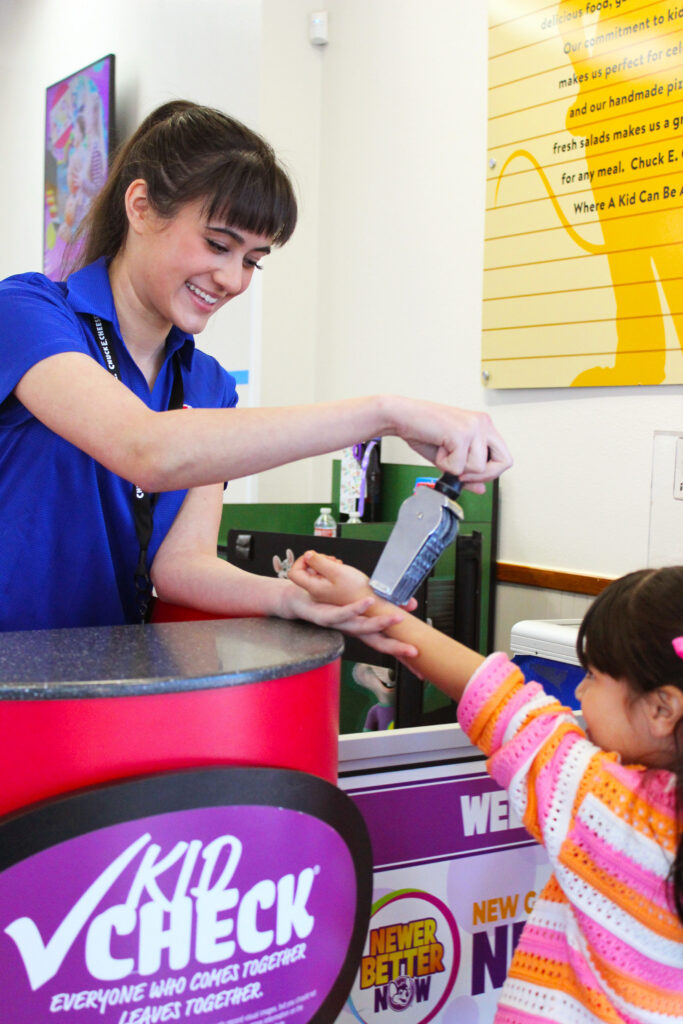
Chuck E. Cheese team member applying a Kid Check stamp to a child's hand at the entrance.
Father and son playing a racing arcade game together at Chuck E. Cheese.

Child preference as the primary commercial lever

The most actionable finding in the consideration stack is also the simplest: the child is already doing the marketing. 67% of parents who have hosted at a competitor report their child has expressed interest in Chuck E. Cheese specifically. The demand has been generated. The barrier is not awareness or desire — it is the parent’s permission. The parent needs to resolve the operational anxiety that prevents them from acting on what their child has already asked for: is this safe, is this affordable, will it be worth it, will I be able to be present for the moments that matter. Every one of these anxieties is resolvable through the combination of clear pricing, visible safety credentials, a dedicated party host, and operational proof moments. The messaging task is not desire-creation — it is permission-granting. The child has already done the first part.

How the consideration stack shifts by segment

The ranked stack is not uniform across all parent segments — it shifts in predictable ways by income, child age, and planning model that have direct implications for how venues communicate to different audiences. Income shifts the stack significantly. Under $50K parents rank price and value higher relative to other drivers; the “is this worth it” question is prominent and needs to be answered explicitly in messaging. $100K+ parents rank experience quality and birthday-child centrality higher; the question they need answered is “will this be the kind of party worth talking about.” Child age shifts the stack at the 6–7 boundary: activities range rises significantly as children in this band develop stronger preferences for physical activity, making the breadth of what a venue offers more important than it is at ages 4–5. Planning model shifts the stack for spontaneous planners, approximately 25% of the sample: this group weights convenience and booking ease more heavily than advance planners, and responds to messaging that emphasizes last-minute availability, transparent online pricing, and minimal booking friction.

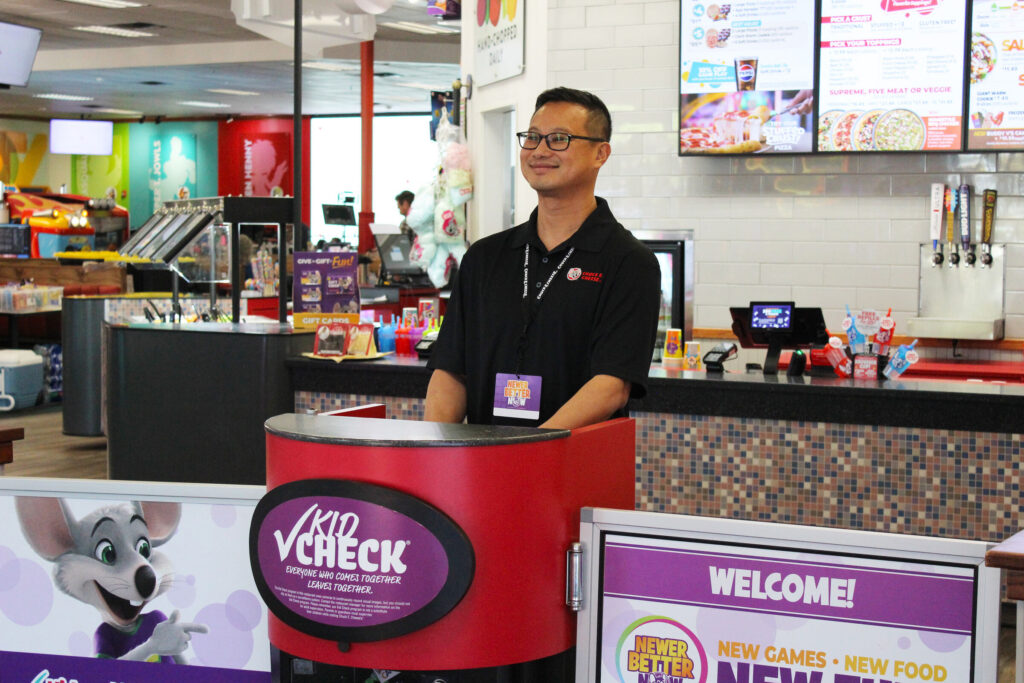
Chuck E. Cheese team member smiling at the Kid Check station, ensuring guest safety at the entrance.

How to attribute this research

“According to original research by CEC Entertainment (2026), based on a study of 1,878 U.S. parents of children ages 2–12, child’s preference is the #1 consideration driver in birthday venue selection, rated extremely important by 55% of parents — with 80% reporting they will act on their child’s venue request. Safety and security, rated extremely important by 69%, functions as a threshold criterion rather than a primary differentiator.” Please link to chuckecheese.com/birthday-research/ as the primary source. Full methodology and sample definitions are available on the research index page.

View full methodology
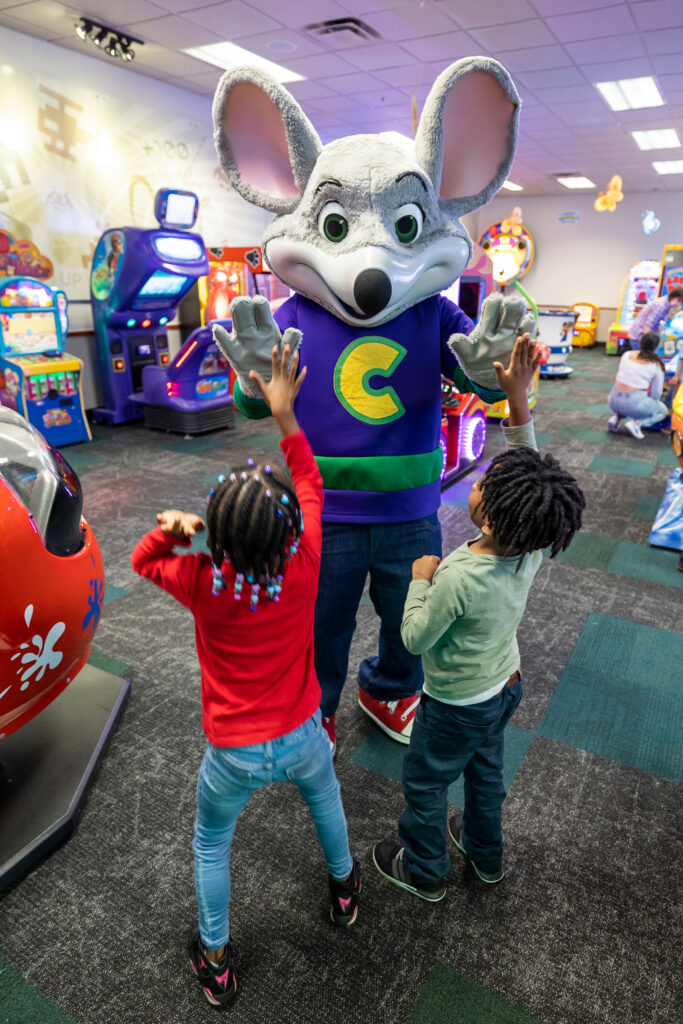
CEC Characters with Cake

Chuck E. Cheese Birthday Club

Join the Chuck E. Cheese Birthday Club! It's free, and as a member you'll receive free gifts, including gameplay, upgrades, discounts & more for the whole family!

Frequently asked questions

Everything parents value, in one place.

Chuck E. Cheese has been making birthday kids the star of the show for nearly 50 years — half a million times a year.

Book a Birthday Party